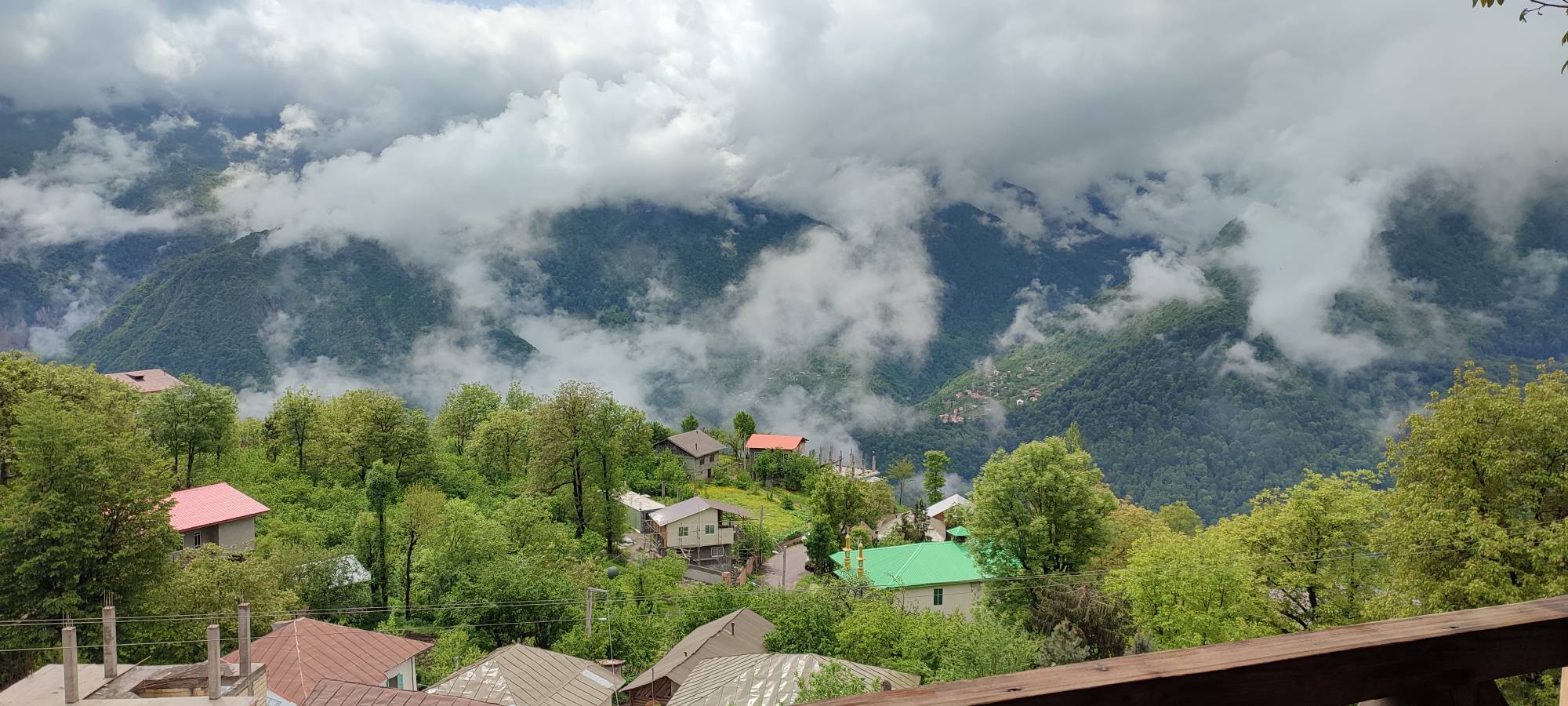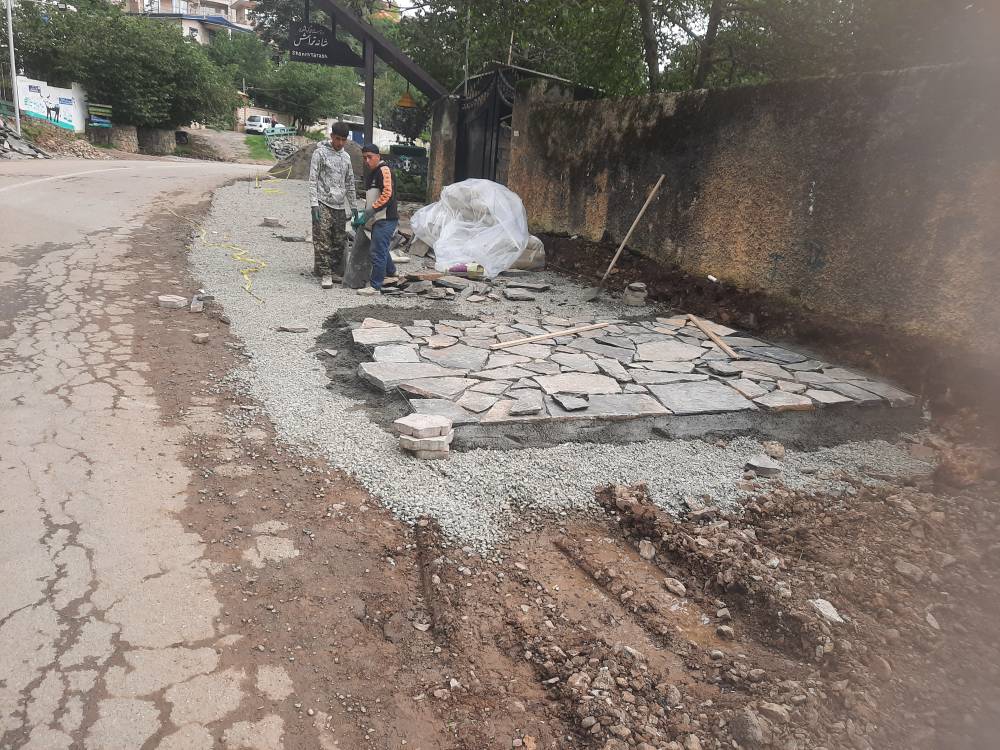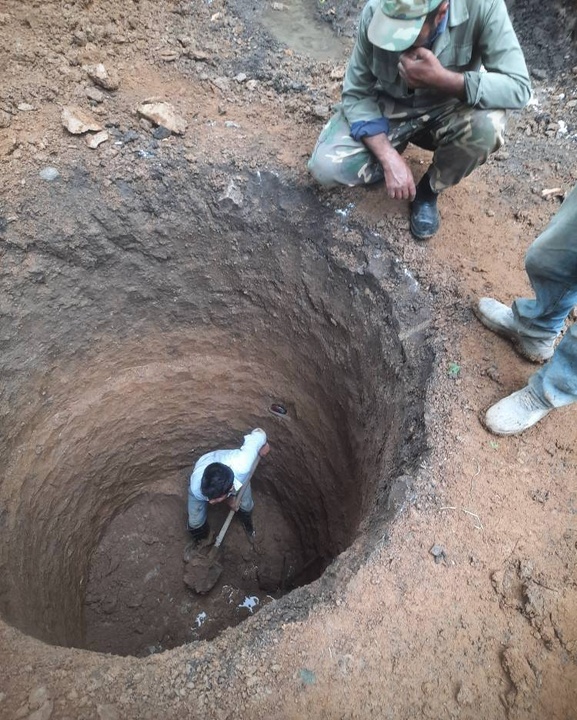
According to IRNA, women in northern Iran, especially in the villages between the Alborz mountains and the Caspian Sea, have long played a prominent role in the local economy. The constant and effective participation of northern women, particularly rural women, in indigenous occupations such as agriculture, animal husbandry, and handicraft production had made them key elements in local livelihoods and household economies across the northern provinces, especially Mazandaran.
From the difficult and arduous tasks of farming to livestock management, gardening, sericulture (silk farming), and many other traditional activities—these were part of the daily life of Mazandaran’s rural women. Even today, in many villages and towns of the province, one can still see this partnership and how they stand shoulder to shoulder with the male head of the household.
This culture of standing side by side with men to improve family life is still visible in the worldview of Mazandaran’s rural women. A clear and tangible example of this partnership can be seen in the village of “Shaneh Tarash” in Tonekabon county. In this village, the strong social participation of women has played a crucial role in advancing the goals set for its development.
The inclusion of Shaneh Tarash village in Tonekabon among the eight proposed villages of Iran for registration on the World Tourism Organization’s list of global villages for 2026 is the result of the efforts and synergy of the villagers to put the village on the path to sustainable development. However, the significant contribution of the women of Shaneh Tarash in continuing the planned actions for the village stands out.
Just a few hours of walking around Shaneh Tarash and observing the local way of life clearly shows how the women of this village, alongside their responsibilities toward their homes and families, are also taking steps to help develop the village.
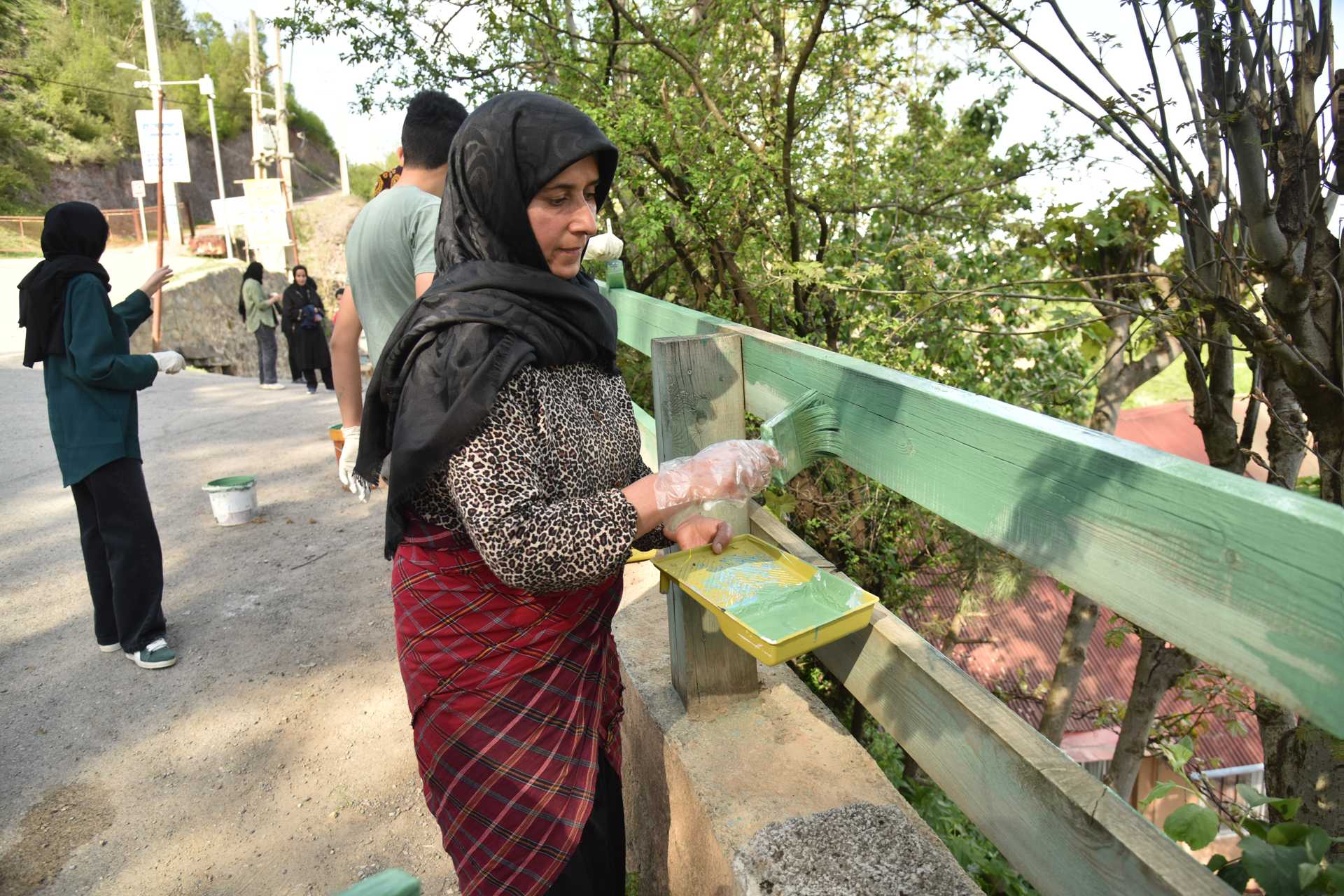
The footprints of the women of this village can be seen prominently in all participatory affairs of the village. In some cases, the Shaneh Tarash women themselves are the main pioneers of social and economic mobilization based on promoting rural and cultural tourism.
From “Khaleh Mehri” (Aunt Mehri), who about a decade ago, when she saw her daughter become interested in studying tourism, started her own activities in handicraft production and cooking local foods at the suggestion of a teacher—and now her home is one of the main destinations for nature lovers and tourists visiting Shaneh Tarash—to “Khaleh Raviyeh” (Aunt Raviyeh), whose homemade cooking has become a lasting memory for tourists, and the other village women, each of whom in their own way over the past decade has helped advance the goals set for turning Shaneh Tarash into a recognized rural tourism destination—all are key elements in making Shaneh Tarash a model tourism village based on social participation.
The Deputy Director of Tourism at the Mazandaran Provincial Office of Cultural Heritage, Tourism, and Handicrafts, stating that the growth of Shaneh Tarash in the tourism sector is the result of the social cohesion of the villagers in achieving sustainable development, told IRNA: “There is no doubt that a significant part of this social cohesion established in Shaneh Tarash is due to the committed and concerned approach of the women of this village.
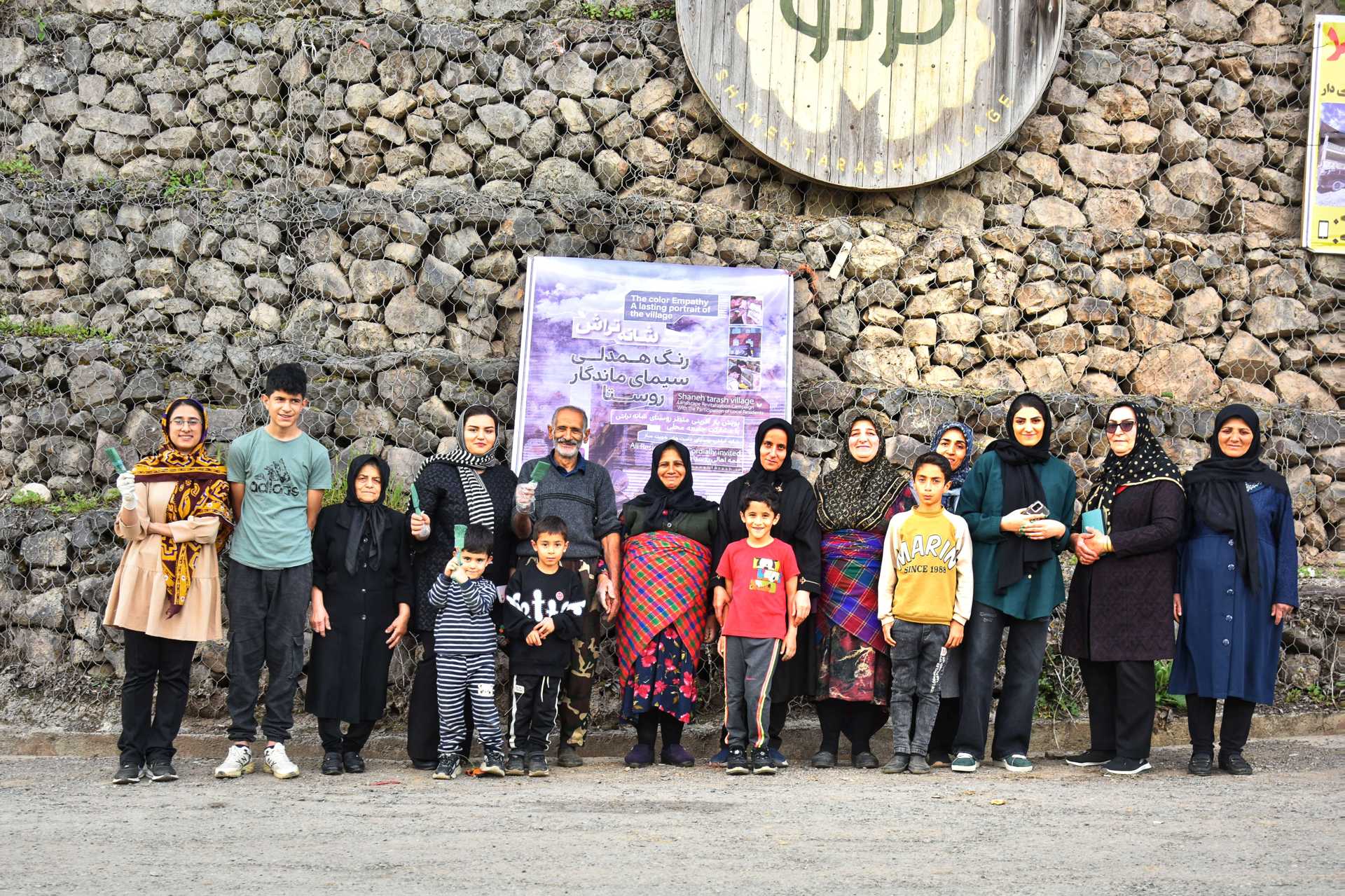
Mehdi Eshaghi stated: “The high-quality participation of women in this village is not limited to direct economic tourism activities such as selling food, products, and handicrafts. The strong presence of Shaneh Tarash women in initiatives and actions related to the social and cultural development of the village, as well as advancing the goals set by the cooperative, the village administration (dehyari), and the village council, shows just how decisive and influential women are in Shaneh Tarash.”
He noted that the local community itself, along with facilitators, is planning to empower the local population. He added: “In order to support vulnerable women and youth, and with the aim of economic empowerment and generating sustainable income, the Shaneh Tarash Rural Development Cooperative has allocated part of the ‘Creative Hub’ space in the form of an incentive package to these groups, so that the empowerment process for the target audience can be carried out more effectively.”
This official stated: “Under this plan, local producers can offer their products directly, without intermediaries, through the handicrafts store. Additionally, by holding free workshops in the areas of skill development, marketing, and branding, the groundwork is laid for enhancing their capabilities.”
According to Eshaghi, this measure has been implemented to support micro-enterprises, home-based businesses, rural employment, and local community development, and it provides an opportunity for producers to access the market and increase their product sales.
The Deputy Director of Tourism of Mazandaran noted: “Through this program, the Shaneh Tarash Rural Development Cooperative seeks to use social innovation, social participation, and sustainable rural development to strengthen the effective presence of women and youth in economic activities, and to help improve the quality of life and increase the income of rural households.