According to Miras-e-Aria, the registration of villages on the World Tourism List is a mechanism based on multi-dimensional and precise evaluations—a process that scientifically measures the vitality of local life, gender balance, service chains, biodiversity protection, and equitable distribution of wealth within the host community.
Hossein Izadi, the Director General of Cultural Heritage, Tourism, and Handicrafts of Mazandaran Province, said about the candidacy process of this village: “After the success of villages such as Kandolus in Mazandaran, a village in Kerman, and a village in Bandar Lengeh in obtaining global recognition, this year Shaneh Tarash village in Tonekabon, in a very close competition, was able to obtain the approval of the Ministry of Cultural Heritage. The criteria are very precise, and final acceptance requires meticulous responses to 40 core questions and the submission of 114 strategic documentary evidences. Fortunately, Shaneh Tarash, based on three fundamental pillars—organic tourism, a people’s cooperative for the protection of the village fabric and nature trails, and a sustainable economy—has been able to meet the required standards of these indicators.”
Referring to the monitoring method of international inspectors, he added: “United Nations evaluators travel to the region disguised as anonymous tourists and verify the conformity of the field conditions with the submitted documents.”
Also, Mostafa Fatemi, the Director General of Domestic Tourism Development at the Ministry of Cultural Heritage, in a meeting of the provincial strategic headquarters, emphasizing the unique capacities of this region, stated: “Iran, with its pristine natural attractions and authentic folk culture, holds a prominent position in global rural tourism. Shaneh Tarash’s dossier is being finalized with high speed and quality, and all executive bodies have been tasked with bringing the physical and service indicators of this region up to international standards.

The People’s Cooperative Model; Transforming Tourism into “Collective Capital”
The most prominent competitive advantage of Shaneh Tarash compared to other ecotourism destinations is its legal and democratic governance structure through a local institution, which prevents class division or the dominance of intermediaries over the village’s economy.
Pedram Karkaboudi, the CEO of the Shaneh Tarash Dohezar Rural Development Cooperative, said about the philosophy behind the formation of this structure: “Our cooperative was founded in December 2018 (Azar 1397) with 17 members, but with transparency in performance and the creation of tangible benefits, within a short period, over 90 to 95 percent of the native residents of the village became members. Shaneh Tarash is known as the only village that, due to public participation in public-interest projects, has received support and scientific supervision from prominent international organizations such as UNIDO and UNDP, as well as three domestic ministries.”
In the codified economic model of this cooperative:
Fair revenue sharing: 5% of the direct proceeds from each tourism project is allocated to infrastructure development, beautification of pathways and landscapes, and 5% is reserved for strengthening the cooperative’s financial capacity and the collective interests of the members.
Physical regeneration: Construction of 6 active ecotourism lodges, establishment of a creative house, and traditional restoration of the facades of 30 old residential units with the aim of preserving the local identity and harmonizing with nature.
5-year employment vision: Targeting the creation of direct employment for 500 people, capacity-building for overnight stays for 1,000 tourists, and consolidation of the reverse migration phenomenon of educated youth to the village.
Redefining Hospitality; The Transition to “Experiential Tourism”
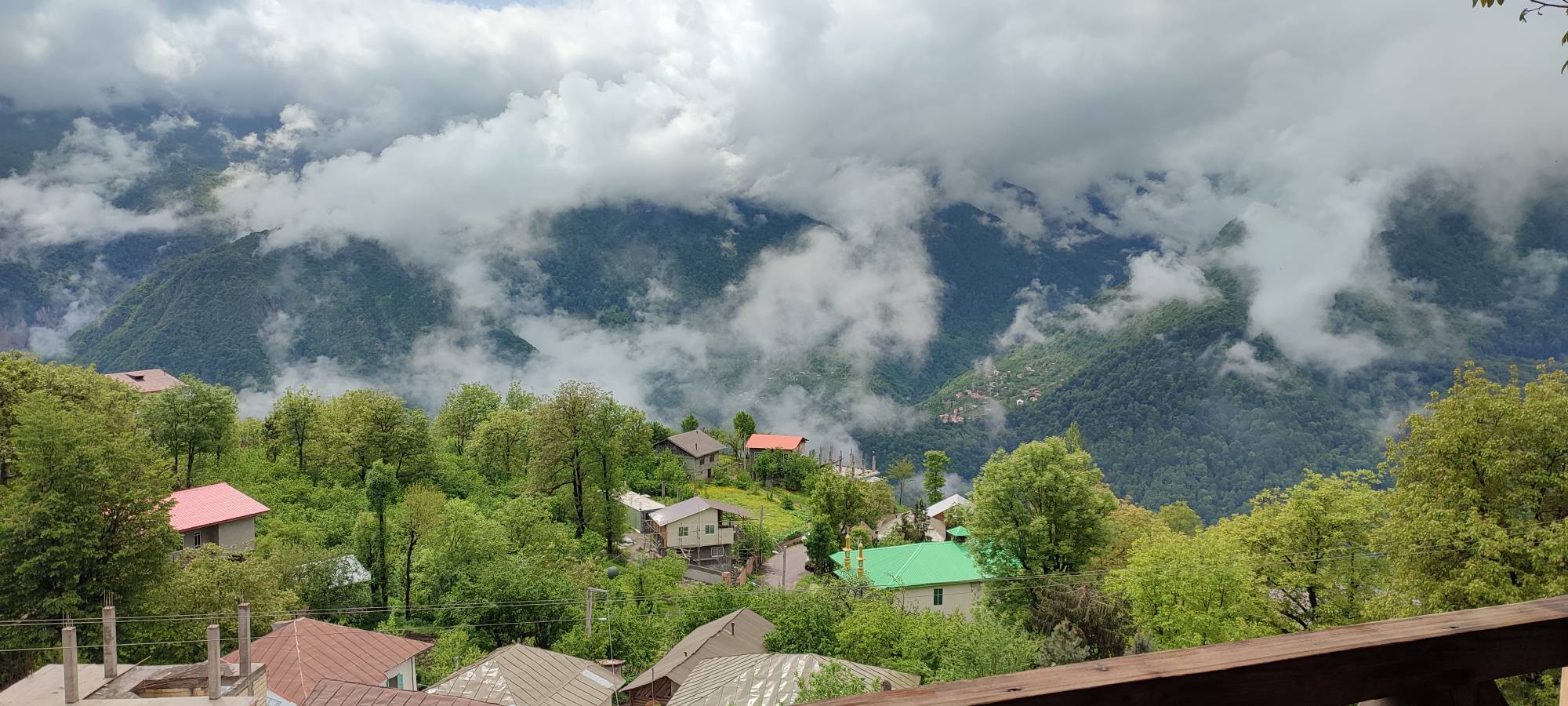
In Shaneh Tarash, tourism is a full-fledged representation of rural life in northern Iran—a place where the concept of the tourist is intertwined with the long-standing tradition of Mazandarani hospitality.
Mehdi Eshaghi, the Deputy Director of Tourism of Mazandaran, emphasized in evaluating this approach: “Global villages gain meaning when tourism is formed around an ecosystem-centric approach and an authentic life experience. In Shaneh Tarash, the 6 ecotourism lodges are more than just accommodation centers; they are hubs for creating experience and giving identity to the village—a cycle in which more than 90% of the residents share in its added value, serving as a clear example of collective capital.” This perspective is reflected in the daily behavior of the residents.
Mehri Karkaboudi, an entrepreneurial woman in handicrafts and organic products in the village, recounts: “We do not call travelers ‘tourists’; for us, every person is a dear guest. Here, we invite guests into our daily life—from milking fresh milk and picking organic vegetables from the garden, to participating in baking bread in the traditional oven and cooking local dishes. Global registration is a valuable opportunity for us to engage in cultural dialogue with people from around the world and to revive indigenous arts such as traditional chadorshab weaving and traditional woolen sock knitting.”
Ancient Roots; Reviving the Art of Woodturning with Absolute Respect for the Forest Ecosystem
The etymology of the name “Shaneh Tarash” (literally “comb carver”) is intertwined with a centuries-old history of carving combs and wooden tools by master woodturners. This art has now been revived without causing any harm to the Hyrcanian Biosphere Reserve.
Ghasem Karkaboudi, a veteran artist in wooden handicrafts of the village, referring to the observance of the environmental charter in the production of works, says: “The authenticity of our work lies in respect for nature; we never lay an axe on living, standing trees in the forest to produce all kinds of hair combs, weaving combs for carpet-making, and traditional wooden utensils. Our raw materials are sourced only from the sound parts of fallen trunks and weathered woods from the forest (such as maple, beech, walnut, and oak). Tourists in the village’s workshops can see that making each comb takes between one to three hours using hand tools, and this very authenticity has turned our handicrafts into a lasting identity-based brand.”
Infrastructural Leap; The Joint Determination of Government and Local Community
In recent months, with the holding of meetings of the Strategic Headquarters at the Mazandaran Governorate, numerous implementation operations have begun to standardize the village’s infrastructure:
Communications and telecommunications development: Acceleration of the installation and commissioning of telecommunication towers for complete and stable network and internet coverage.
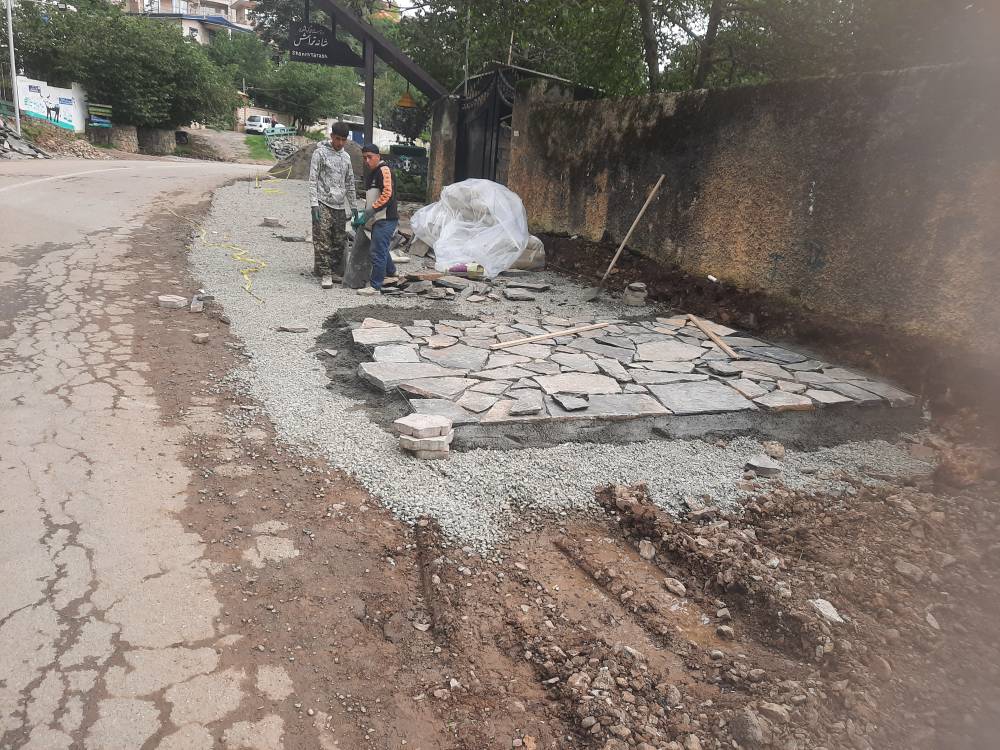
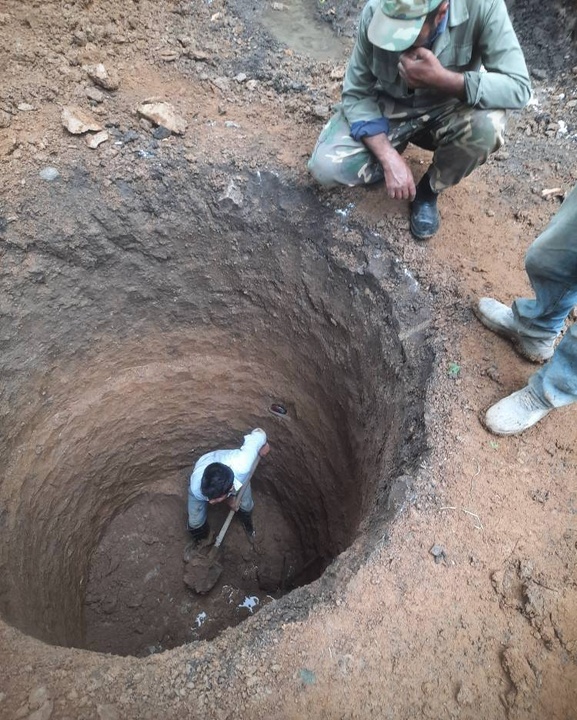
Physical improvement and safety enhancement: Implementation of coordinated paving of pathways with the cooperation of the Housing Foundation, organization of water and electricity networks, and establishment of health and emergency relief bases by the Red Crescent.
Protection and principled utilization of nature: Transfer of management of parts of the region’s forest parks by the General Department of Natural Resources of West Mazandaran with the aim of regulating eco-tourism routes and cleaning up nature.
The nomination of Shaneh Tarash village in Tonekabon for the 2026 horizon of the World Tourism Organization reflects an innovative approach in the governance of rural tourism in Iran. This village has shown that sustainable development is not in conflict with environmental protection and local authenticity, but rather through a “transparent cooperative structure,” “safeguarding the Hyrcanian natural heritage,” “production of organic products,” and “accommodation-based tourism,” a lasting foundation can be created for social welfare, economic justice, and the preservation of the village’s historical identity. This is a great test awaiting final approval in Spain, so that another golden page may be added to Iran’s tourism honors.