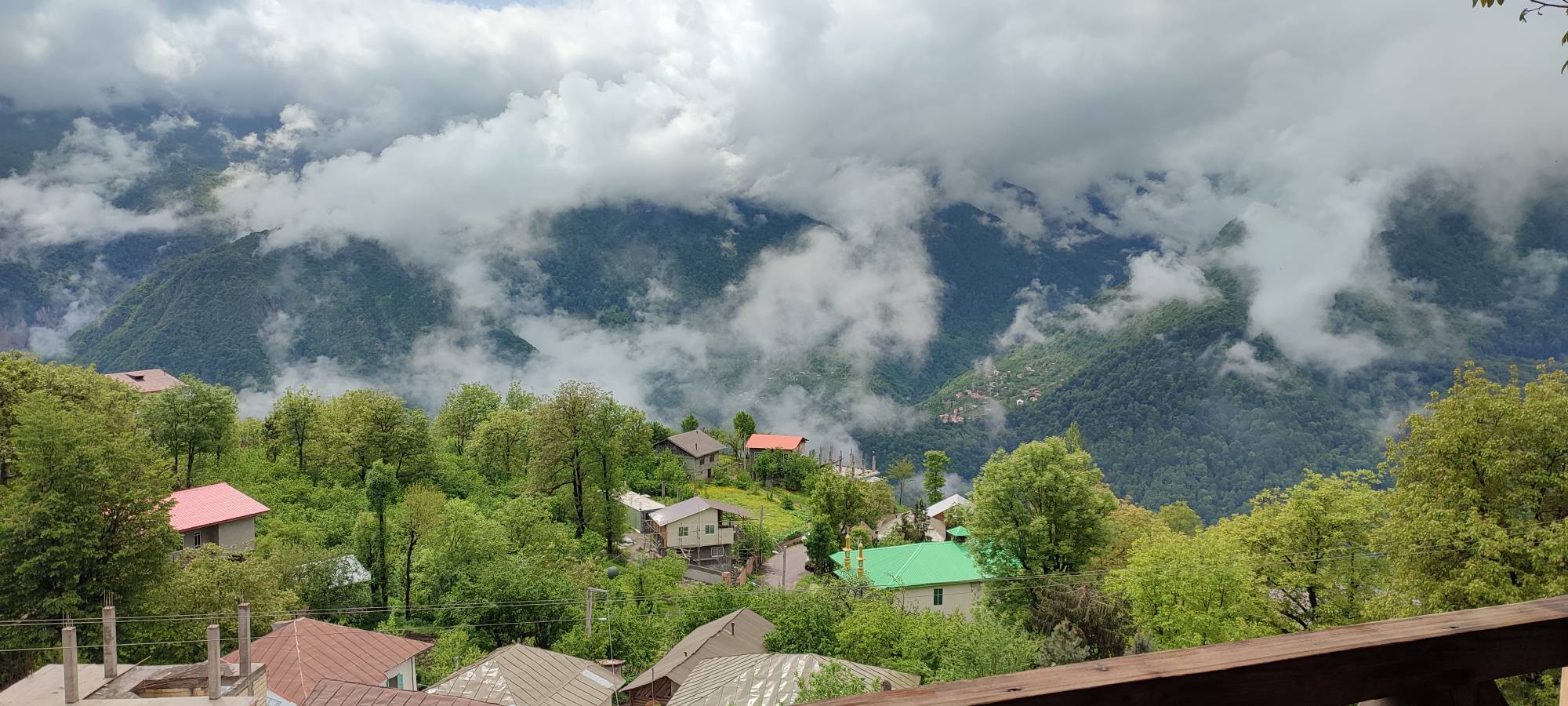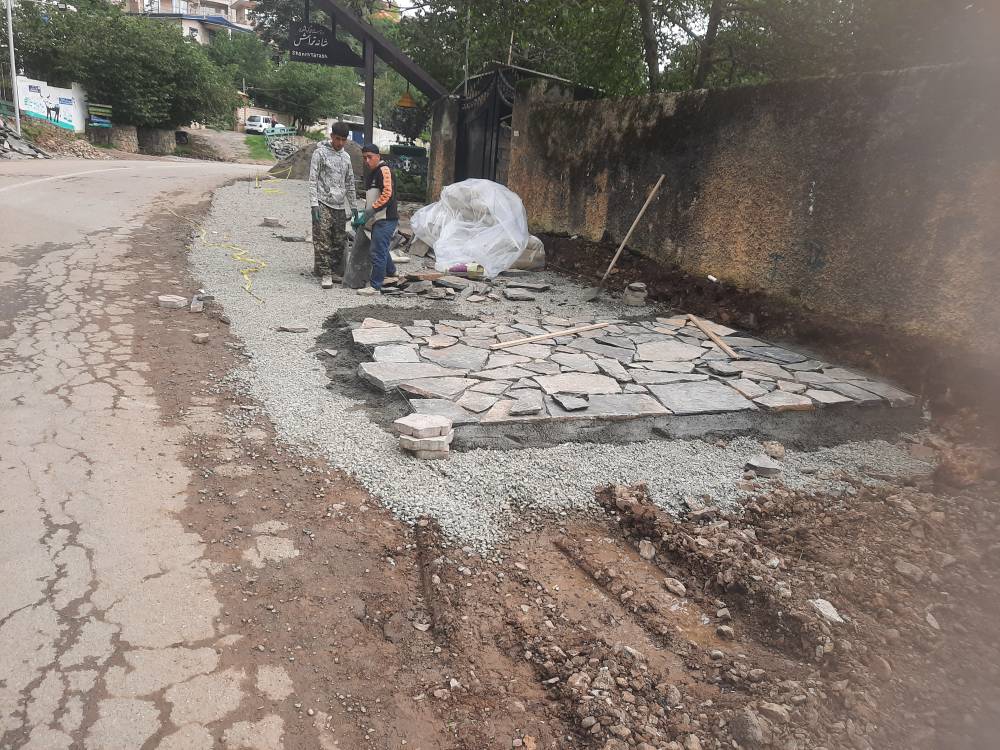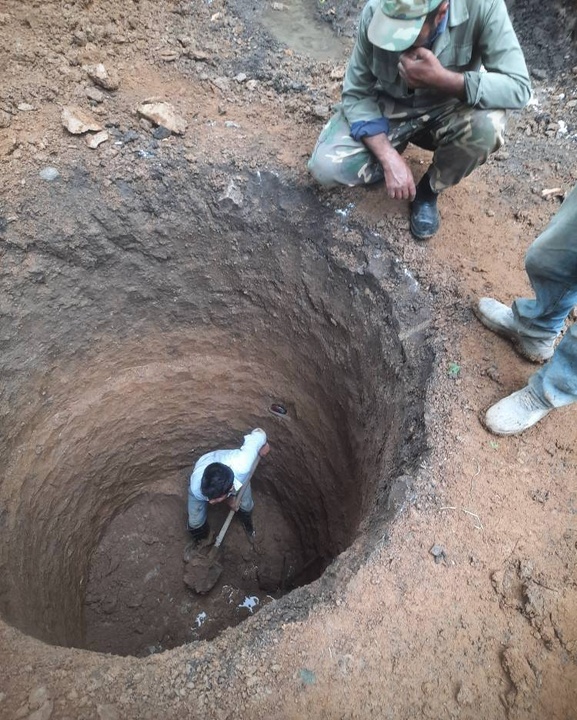
Report from IRNA Reporter: At the entrance of Shaneh Tarash village, along the path of Dehestan-e Do-Hezar in the mountainous region of Tonekabon, there is a museum dedicated to introducing the life and culture of the village. This museum was established in 2011, precisely when the construction boom in the village began, with the help of the residents and the village council.
The Shaneh Tarash Ethnographic Museum is now tasked with reminding us of what has been lost. To this end, a house in the style of the old village homes was built on an empty plot of land. It has two stories and is constructed with materials such as wood and mud-and-straw.
Each room in this house holds a relic from the past of the region’s people. Villagers from Shaneh Tarash and other villages have donated old items from their homes to this museum. Their names are listed next to each artifact, indicating who donated it.
The ethnographic museum has several admirable initiatives. It serves as a venue for cultural events and intangible heritage. Some rituals, such as Shab-e Chelleh (Yalda Night) and the commemoration of elders, are held here. Alongside some of the items, like weaving tools, there are pictures of the owner who used to work with them.
Additionally, next to the museum, in its courtyard, there is a shop where several women and men produce goods for sale. These range from traditional food items to anything a tourist might find appealing and purchase, thus supporting their livelihoods and, of course, the museum. One of the museum’s rooms is also a space for selling handicrafts.

The ethnographic museum, open daily from morning till evening, allows visitors to become familiar with practical tools, some of whose functions they may not even know, as they were primarily used by villagers.
Sometimes, villagers, especially the elderly men, gather in the museum’s courtyard and share memories with visitors about the hardships of life in the last village of Do-Hezar and the mountainous region, as well as how the old tools worked.
However, this museum lacks significant funding for its upkeep. This can be observed from the dust of neglect on some artifacts and the lack of necessary structural repairs. The entrance ticket is only 5,000 Tomans. Since the museum is under the supervision of the General Directorate of Cultural Heritage of Mazandaran Province, its budget should be directly deposited into the treasury account, and perhaps a small portion might be allocated to Yaser Do-Hezari.
Yaser Do-Hezari is the manager of the ethnographic museum. He explains that the conditions for maintaining the museum have become difficult for them because it requires annual restoration. We are in a mountainous region; behind the slopes, the mud and straw walls have deteriorated. Unfortunately, we are not covered by provincial funding and manage it ourselves.
Do-Hezari doesn’t explicitly state it, but it’s clear that he often spends his own resources to maintain the only museum in the region. The ethnographic museum, which is currently sustained by the efforts of the people, has received the award for “Best Museum” multiple times on World Museum Day.
Do-Hezari intends to continue encouraging people to donate old items that represent the village culture. He says, “Despite everything, we welcome any item that helps complete the museum.”
The Do-Hezar ethnographic museum is located in a village where old buildings are disappearing one by one. Only a few houses next to the museum remain in their original state; otherwise, most houses have been converted into apartments! In essence, the villagers are striving to preserve the museum to prevent their culture from being forgotten.