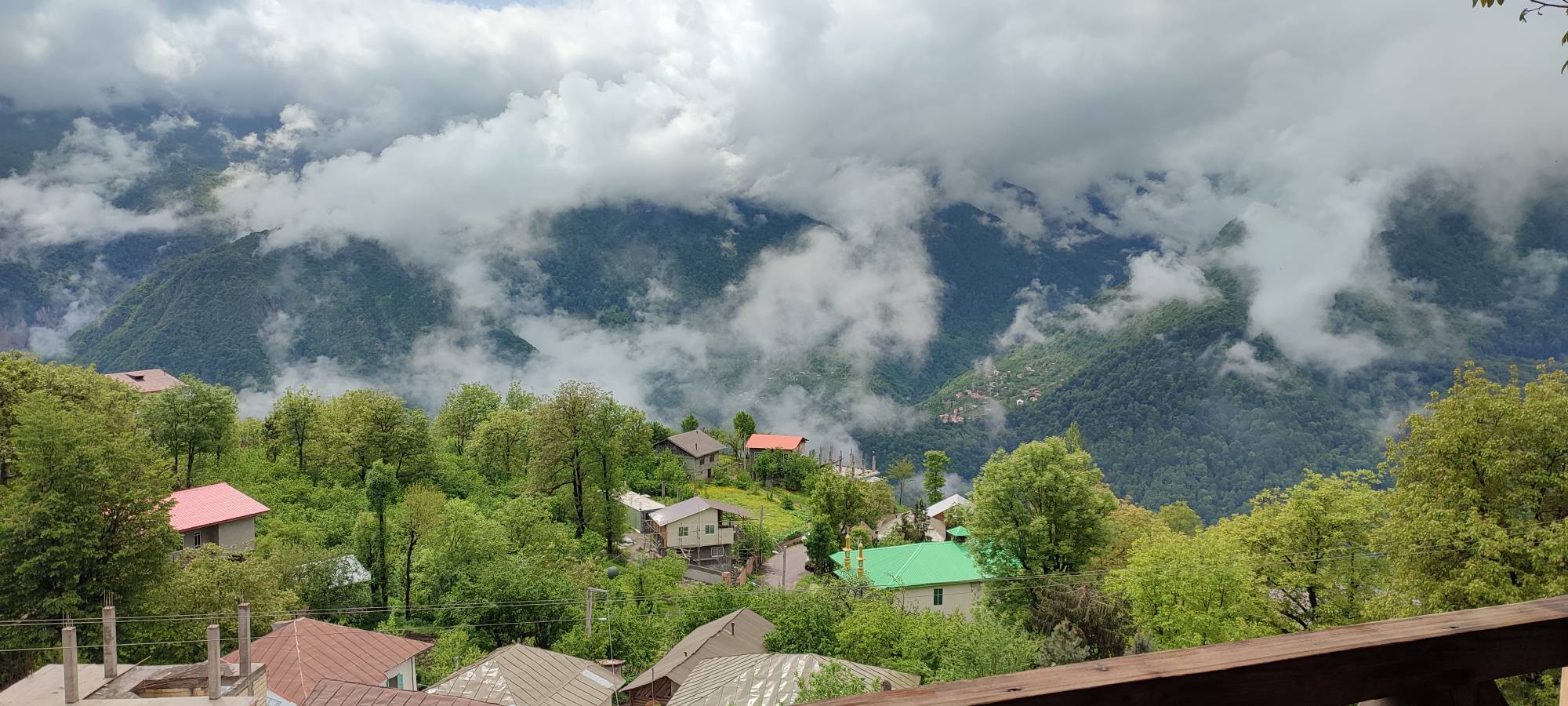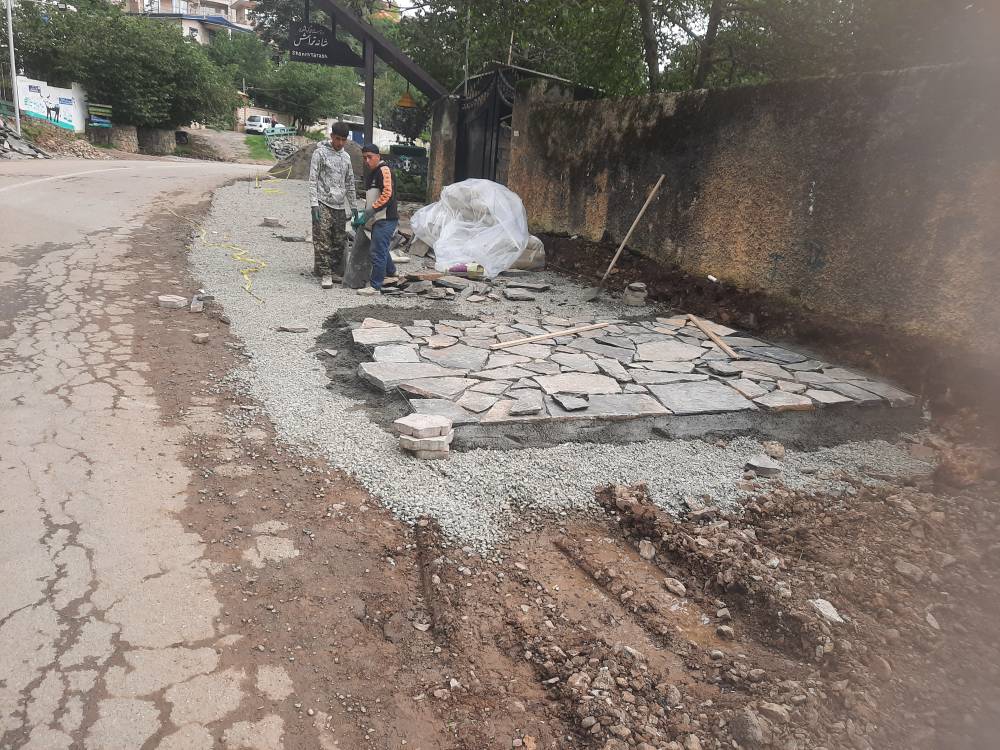
According to a Mehr reporter, Anoushiravan Mohseni Bandpei said on Thursday evening to the residents of Shaneh Tarash village in Tonekabon: ‘Three key goals in the 14th government include elevating the status of tourism in governance, integrating this industry into international diplomacy, and recognizing Iranian culture for national cohesion.’
According to the Deputy Minister of Tourism at the Ministry of Cultural Heritage, Handicrafts, and Tourism, the axis of these three goals can be realized in exemplary tourist villages like Shaneh Tarash.
He emphasized: ‘The people of this village, with their extensive participation, have provided a suitable platform for the global registration of Shaneh Tarash in 2026.’
The Deputy Minister, referring to the combination of natural, indigenous, and cultural attractions in this region, considered it a successful example of synergy between the people and officials.
Mohseni Bandpei further criticized the purely economic view of development, stating: ‘No progress will remain sustainable without the presence of the people. If tourism can preserve the environment, revitalize the village economy, and keep indigenous culture alive, then true sustainable development will be achieved.’ He added that Shaneh Tarash village is today a tangible symbol of this process.
The Deputy Minister of Tourism, recalling the President’s emphasis on ‘neighborhood-centricity,’ considered the transition from macroeconomics to local economics as the main solution for progress, and said: ‘Countries like China and Japan have achieved success with this very model.’
He described the presence of all officials for the global registration of Shaneh Tarash as a sign of the correct understanding of this strategy in the 14th government.
Mohseni Bandpei called one of the serious weaknesses the lack of effort in introducing Iran’s tourism capacities to the world, saying: ‘We must familiarize the world with our assets in the fields of religious, health, nature, and rural tourism.’

Introducing Rural Capacities on Global Airlines
He announced a new plan, which, by the order of Salehi Amiri, is set to introduce rural capacities on high-traffic global airlines.
Stating that an important part of national culture originates from villages, he clarified: ‘Life in megacities gradually diminishes authenticity and national cohesion. For this reason, the ministry’s focus has increased on registering and identifying cultural villages.’
The Deputy Minister of Cultural Heritage, referring to the statistics of Iran’s globally registered villages, said: ‘In 2023, one village was registered, and in 2024, one village was registered. However, last year, by empowering local communities and completing documents on time, the three villages of Kandolus, Suheli, and Shafiabad were added to the global list.’
He considered the role of the people key and explained: ‘In Kandolus, Mr. Jahangiri’s role and the people’s cooperation; in Suheli, the participation of the village women; and in Qeshm, peaceful coexistence with nature, were prominent points for the global evaluators.’

Mohseni Bandpei added: ‘This year, we have nominated 8 villages for global registration, and fortunately, all the documents for Shaneh Tarash have been uploaded.’ He considered Mazandaran to be the only province that has completed all the stages and assessed the state of cohesion in this province as better than other parts of the country.
The Deputy Minister of Tourism concluded by referring to the problem of internet limitations, saying: ‘It is not a correct view that there is no access to international internet without paying a fee, and fortunately, with the follow-up of the President, this problem is being resolved, and soon the country’s tourism capacities can be introduced to the world through this channel.’
See the news in other news agencies: