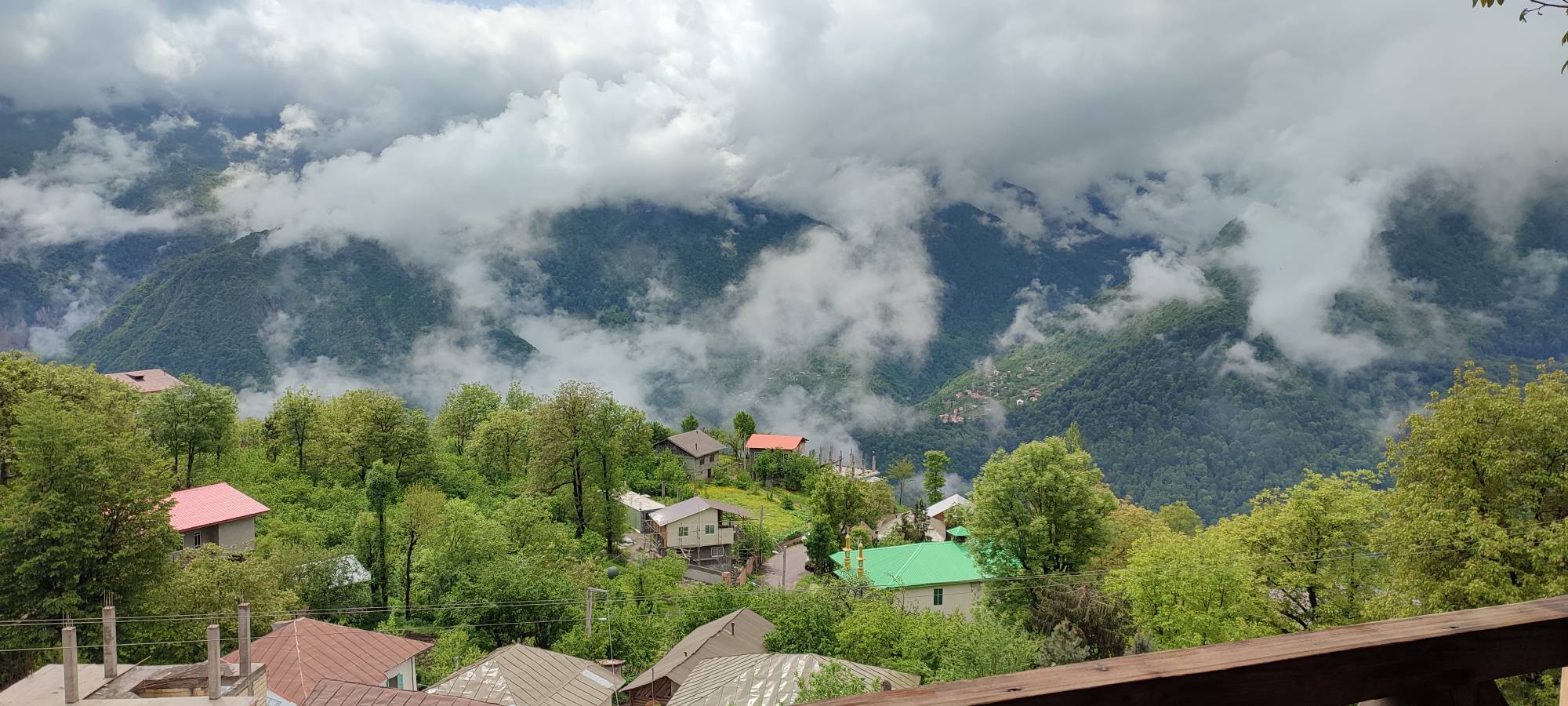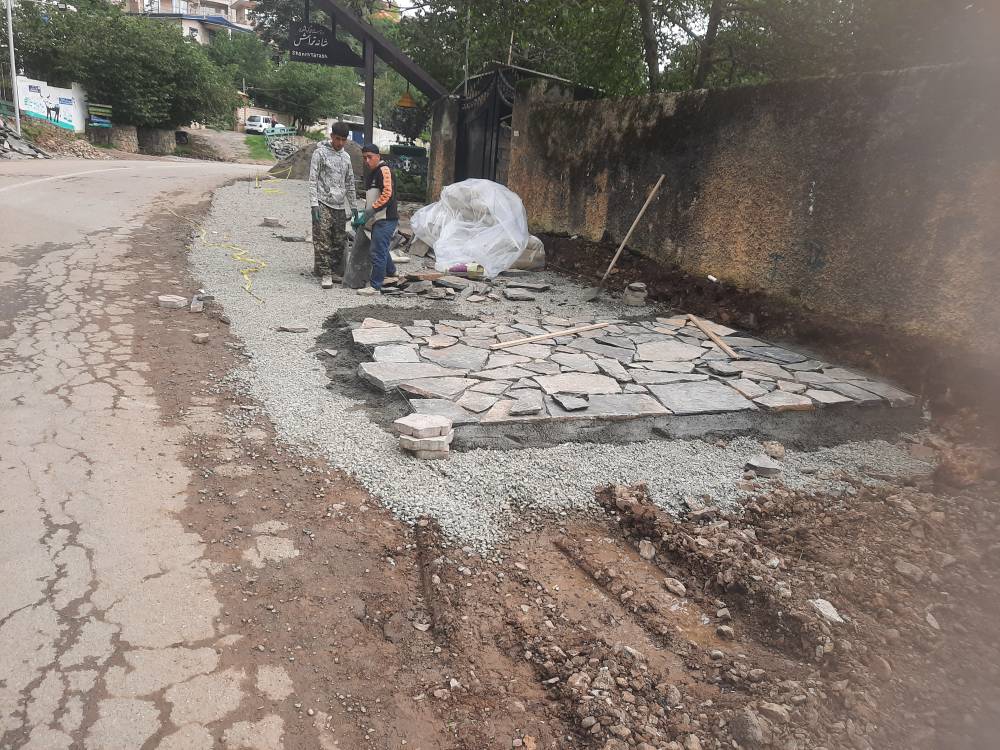
Report from Miras Aria: Pedram Karkaboodi, the CEO of the Shaneh Tarash Rural Development Cooperative, announced today, Tuesday, May 26, 2026, in an interview with the Mehrnews reporter, that this village will be converted into an organic tourism pilot. He stated: “With the implementation of development phases and the support of international organizations, our five-year vision is to achieve employment for 500 people and the global registration of this village.”
The CEO of the Shaneh Tarash Rural Development Cooperative in “Do Hezar,” Tonekabon, elaborated on the achievements, challenges, and transformative plans of this village in the fields of tourism, handicrafts, and cultural heritage.
Establishment of a Cooperative with a Reverse Migration Approach
Karkaboodi, referring to the history of the cooperative’s activities, said: “The Shaneh Tarash Cooperative began its work in December 2018 with the aim of sustainable development, job creation, preserving the traditional texture of the village, and the environment, with an initial 17 members. Fortunately, within one year, 95% of the village’s native residents became members of this cooperative.”
He added: “Through facilitation, injection of low-interest loans, and strengthening the production-to-sales chain, today the villagers are in a suitable economic and spiritual position in the field of tourism.

Shaneh Tarash; the only village supported by three international organizations
The managing director of the Shaneh Tarash cooperative, emphasizing the scientific basis of this project, stated: “From the beginning, we have operated as a rural organic tourism pilot under the supervision of national and international consultants. Benefiting from the expertise of scholars such as Dr. Seyed Alireza Kazemi Dolabi, Mr. Ali Dostdar as an international designer, and specialized graphic teams, has ensured that our steps have been scientific and steady.”
He noted: “Shaneh Tarash is the only village that, due to its unparalleled public participation in community-benefit projects, has attracted the scientific attention and support of three international organizations, including UNIDO and UNDP, as well as three domestic ministries.”
Reviving forgotten arts and rebuilding the village fabric
Karkaboodi said regarding the physical and cultural initiatives in the village: “The construction of 6 new eco-lodges with financing from the Bank for Development and Cooperation, the establishment of a creative house, the launch of handicraft shops, and the revival of traditional occupations such as chador-shab weaving are among our actions. In addition, in order to preserve the visual identity, 30 old residential units have been restored, revived, and beautified so that the village’s appearance remains consistent with its local fabric.
Planning for fair profitability and fighting bureaucracy
He explained the cooperative’s economic model: “In our model, 5% of the revenue from each project is allocated to the village’s infrastructure, and 5% is assigned to the cooperative and its members, so that a balance is maintained between profitability and social services. Guaranteed purchase of home-business products and the rapid issuance of agricultural and tourism permits are among our other services to the villagers.”
Karkaboodi described administrative bureaucracy as the biggest obstacle to development and called for facilitating procedures to advance entrepreneurial projects.
Five-year outlook: global registration and hosting 1,000 tourists
At the end, the CEO of the Shaneh Tarash Cooperative outlined a bright future for the village, saying: “With the support of the General Directorate of Cultural Heritage, Tourism, and Handicrafts of Mazandaran Province, extensive training programs are being implemented. We hope to see Shaneh Tarash globally registered by the end of the first phase of the project.”
He added: “Within the next 5 years, the village’s overnight accommodation capacity will reach 1,000 people, more than 500 direct jobs will be created, and with the completion of the development chain, we will witness the full reverse migration of young people back to the village.